

‘Being a Woman is Inherently Uncanny’: An Interview With Carmen Maria Machado | Hazlitt
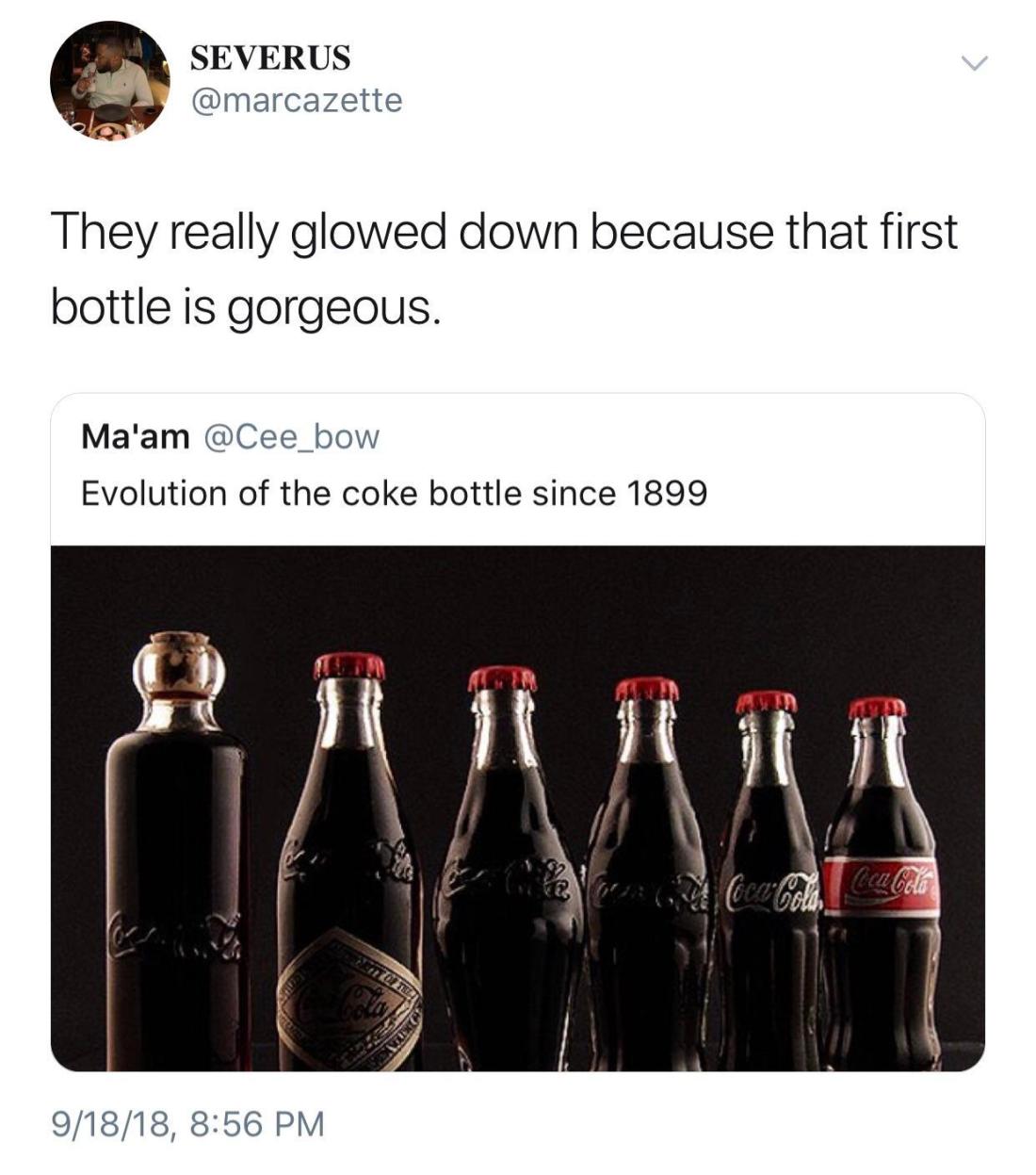
that first bottle dead ass looks like it’s gonna make you shoot crows out of your hands
The first bottle had liquified cocaine in it so it had to be fancy
So you’re saying it actually did give you the power to shoot crows out of your hands

a whole theatre
PLEASE LET THIS BE REAL
Part of me thinks “Surely this isn’t true” but another part of me is like “This is not the weirdest thing I’ve ever heard”
There’s part of me that can’t possibly believe this is real, bit I’ve read parts of the Old Bailey records, and this is … not exactly normal, but not that far from it. People stole lots of shit, and drunk theater people are a very odd lot.
It sounds like a Leverage/Drunk History mashup.
“You guys, lesh…let’s go steal the Globe. We’re gonna steal the Globe Theatre.”
@copperbadge, thoughts?
@tzikeh says the theft itself is well known, we just now have evidence Shakespeare participate in it, to which I say, a bounty of wealth for the first person who writes a Shakespearean heist novel.
Yeah, I think I recall hearing about this long ago; the way I
heard it, it was sort of like if, on the opening night of The Cradle Will Rock,
Welles and company had just carried off the closed theatre bit by bit and moved
it across NYC, instead of walking with the audience (but no set) to another
theatre and performing there.
Nice to know it’s been confirmed though.
Oh also ? There’s supposed to have been this incident in the
original run of H.M.S. Pinafore where an unlicensed rival production of the
show staged a fire alarm and tried to stampede the audience and steal the set,
but Little Buttercup led the cast in fighting them off.
Live theatre can be very exciting.
Yesterday morning I got a call from a nurse at my doctor’s office to tell me my most recent round of lab results. I was surprised when the call was cheerily punctuated with, “Remember, too much estrogen converts to testosterone and undoes your changes!”.
Countless transgender women have been told the same thing by their HRT prescribers, usually in the same breath as instructions to lower their dosages. Because statements like this leverage anxiety and gender dysphoria, they are extremely persuasive, especially when coming from a place of perceived authority. They have caused many trans women I know personally severe distress and contributed to a feeling of futility in their biomedical transitions, as well as the potential harm of questionably low-dose hormone regimens.
Unlike most transgender women, however, I’m lucky to have had enough education to know this for what it is: not accurate medical information, but a scare tactic meant to dissuade people from deliberate overdose or self-medication.
There is no known pathway for testosterone biosynthesis from estrogens.
Put simply, this just does not occur. We know of no enzyme that “converts” excess estradiol to testosterone.
The opposite process, biosynthesis of estradiol from testosterone, does occur in people regardless of birth assignment through the enzyme aromatase, also called estrogen synthase. This raises the question of whether an abundance of exogenous estradiol could force the reaction to proceed in reverse. This does not, however, appear to be the case.
Aromatase functions through a three-step mechanism involving successive oxidations of testosterone’s C19 methyl group, followed by eliminative aromatization to estradiol [1][2].
A detailed mechanistic study found that, while some steps of the catalysis occur in equilibrium even at typical concentrations, aromatase cannot effectively catalyze the reverse reaction even in an abundance of product; while the estrogenic product binds weakly to aromatase, the rate constant of the reverse reaction was too small to be measured and the conversion from androgenic to estrogenic product may be considered one-directional [2]. I would speculate that this owes partially to aromatization energy (in essence, estradiol is a more stable molecule than testosterone), but that’s just a guess.
So, while it is demonstrably false that estrogen can be “converted” to testosterone, we might still assume that practitioners who tell this to patients are acting in good faith, and merely simplifying a different process. This raises another question:
Can estradiol overdose increase testosterone synthesis? Maybe. Should trans women be concerned? No.
It’s been known since the mid-’70s that high levels of endogenous estadiol (E2) exert positive feedback on the release of gonadotropin-releasing hormone (GnRH) [3]. This is, in fact, a major part of the ovulation cycle. Additionally, through the hypothalamic-pituitary-gonadal axis, these GnRH pulses trigger the release of luteinizing hormone (LH), which in turn regulates testosterone synthesis in the Leydig cells of the testes.
It’s possible, then, to imagine a scenario in which highly elevated levels of exogenous serum estradiol—in the case of, say, an accidentally-doubled intramuscular dose—engage the positive feedback loop of the HPG axis, triggering a surge in testosterone production. As best I can tell, this is speculative and has not yet been clinically observed in transgender women on HRT. Similar phenomena called ‘testosterone flares’, however, have been observed during the administration of GnRH and LH agonists for prostate cancer [4]. These flares last only 1 to 3 weeks [4], however, because sustained engagement of the HPG axis positive feedback loop desensitizes the system [5].
None of this, however, should present a concern for trans women on HRT. This is because testosterone flare will not affect anyone under androgen-receptor blockade by cyproterone acetate or bicalutamide [4], nor will it affect anyone whose testosterone biosynthesis has been externally suppressed by drugs like spironolactone [6] or by surgery like orchiectomy.
Moreover, because LH only regulates Leydig cell testosterone secretion, HPG axis positive feedback will have no effect on adrenal testosterone synthesis—a separate process regulated by corticotropin and CRH.
Practitioners who repeat this myth to trans patients might actually believe it, but their patients shouldn’t have to!
[N.B. I am not an endocrinologist. I am a trans person and former research chemist, primarily trained in chemical biology. This post contains information gathered from the biochemical literature, and does not constitute medical advice.]
References
J Am Chem Soc; 136, 15016−15025.
[4] Thompson IM (2001). Flare associated with LHRH-agonist therapy.
Rev Urol; 3(Suppl 3): S10–S14.
[6] Corvol P (1975). Antiandrogenic effect of spirolactones: mechanism of action.
Endocrinology; 97(1):52-8.




First images of Ruth Negga as Hamlet (Gate Theater Dublin, 27 Sept-13 Oct 2018)
“Negga is a princely Hamlet, full of gracious entitlement, capricious
and deeply wounded. This is a gruelling performance; three-and-a-half
hours, with Hamlet on stage most of the time, other than a brief respite
in Act Four.Negga combines vulnerability and ruthlessness, her tiny frame
asserting its dominance of the action throughout by theatrical force of
will. She brings a freshness to these oh-so-familiar speeches. “ (x)
I don’ know what to do because the size chart and measuring tape agree that my waist should make the dress should be a size 16, not a ten (my dresses tend to be either 10s, 12s or occasionally 8s). And my hips a ten, and my bust a 14? But if I cut the pattern out one way I can’t un-cut it later if that’s wrong and i’m just sitting here staring at it and trying not to cry. I’m so tired and nothing is ever just simple enough for my useless fat ass to figure it out
Is the pattern from one of the big-name sewing-pattern companies (MCall’s, etc)? Have you measured the pattern pieces and added them up to see if the waist measurement is actually the same size as it says for a 16 on the back of the envelope? Sorry that I’m not putting this very well — basically, the modern commercial patterns tend to include “design ease” which means they come out a couple of sizes bigger than claimed — that’s supposed to be your wiggle room for making adjustments. So you may end up having to go for the size ten, regardless of what it claims you need. Do you have any old sheets or something you can use to do a test version before you cut into the good fabric?
I’ve got more fabric in here than I can store, it’s just if I cut out the pttern in the wrong size to do a test one….
https://blog.bygertie.com/2018/06/25/b6556-sew-along-1-supplies-fabric-and-sizing/
That’s the one I’m working on or…will be. Her size chart is different than the one on the instructions and it places me more soothingly between a 10 and 12. I just…don’t want the waist too tight bc if I don’t feel comfortable I won’t wear it, regardless of how it actually looks, bc dysmorphia is a hell of a thing I guess. I tend to do very generous seam allowances but that’s when I’m making my own frankenstein patterns for stuff i’m not wearing….dolls and the like
Ok. I’d guess, in that case, that you should follow Gertie’s size chart and maybe pick the larger size, then take it in where needed. If it ends up being really huge, you can always take it apart and cut it down.
It’s sweet you guve me credit for knowing how to do that lol
This is the first actual pattern I’ve sewn from since a highschool class
Is there a way to transfer a pattern piece to fabric without cutting the piece of pattern out that I don’t know about because I know nothing?
Oh, I see what you’re saying. Is it possible to get some plain tissue paper, lay it over the pattern, and trace out the two different sizes onto separate sheets?
I don’ know what to do because the size chart and measuring tape agree that my waist should make the dress should be a size 16, not a ten (my dresses tend to be either 10s, 12s or occasionally 8s). And my hips a ten, and my bust a 14? But if I cut the pattern out one way I can’t un-cut it later if that’s wrong and i’m just sitting here staring at it and trying not to cry. I’m so tired and nothing is ever just simple enough for my useless fat ass to figure it out
Is the pattern from one of the big-name sewing-pattern companies (MCall’s, etc)? Have you measured the pattern pieces and added them up to see if the waist measurement is actually the same size as it says for a 16 on the back of the envelope? Sorry that I’m not putting this very well — basically, the modern commercial patterns tend to include “design ease” which means they come out a couple of sizes bigger than claimed — that’s supposed to be your wiggle room for making adjustments. So you may end up having to go for the size ten, regardless of what it claims you need. Do you have any old sheets or something you can use to do a test version before you cut into the good fabric?
I’ve got more fabric in here than I can store, it’s just if I cut out the pttern in the wrong size to do a test one….
https://blog.bygertie.com/2018/06/25/b6556-sew-along-1-supplies-fabric-and-sizing/
That’s the one I’m working on or…will be. Her size chart is different than the one on the instructions and it places me more soothingly between a 10 and 12. I just…don’t want the waist too tight bc if I don’t feel comfortable I won’t wear it, regardless of how it actually looks, bc dysmorphia is a hell of a thing I guess. I tend to do very generous seam allowances but that’s when I’m making my own frankenstein patterns for stuff i’m not wearing….dolls and the like
Ok. I’d guess, in that case, that you should follow Gertie’s size chart and maybe pick the larger size, then take it in where needed. If it ends up being really huge, you can always take it apart and cut it down.
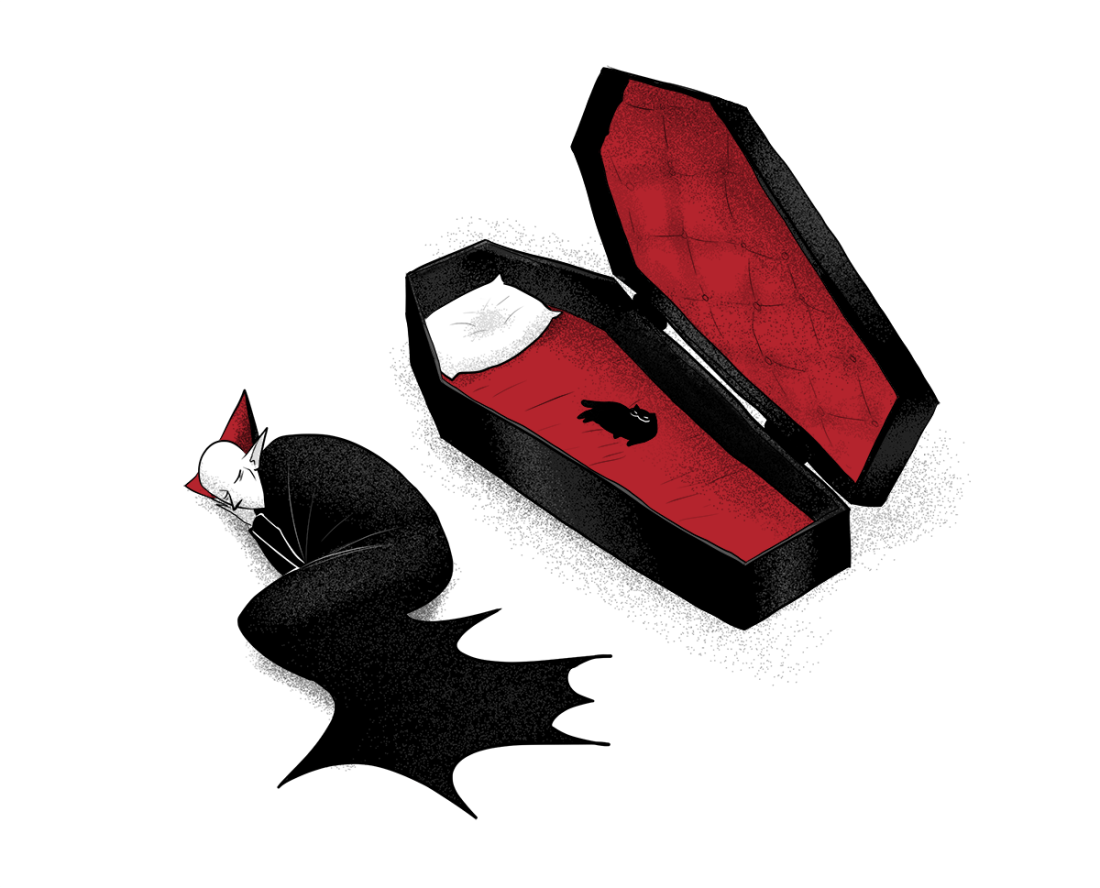
Very proud to present this little piece I’ve been working on for my pattern portfolio. Hope you guys like it :)!


 Mooncustafer